
Articles By
Sacha Altay

Disinformation in practice: Threats, actors, mechanisms, and constraints according to practitioners
Grégoire Darcy and Sacha Altay
How do the practitioners charged with fighting disinformation understand the problem they are meant to solve? We surveyed 106 French practitioners across military, government, regulatory, civil-society, and media organizations. These practitioners converge on an upstream, supply-side diagnosis (platforms and amplification structures, rather than public demand, drive the spread of disinformation) but describe a field blocked by weak coordination, scarce resources, and fear of censorship accusations.

The small effects of short user corrections on misinformation in Brazil, India, and the United Kingdom
Sacha Altay, Simge Andı, Sumitra Badrinathan, Camila Mont’Alverne, Benjamin Toff, Rasmus Kleis Nielsen and Richard Fletcher
How effective are user corrections in combatting misinformation on social media, and does adding a link to a fact check improve their effectiveness? We conducted a pre-registered online experiment on representative samples of the online population in Brazil, India, and the United Kingdom (N participants = 3,000, N observations = 24,000).
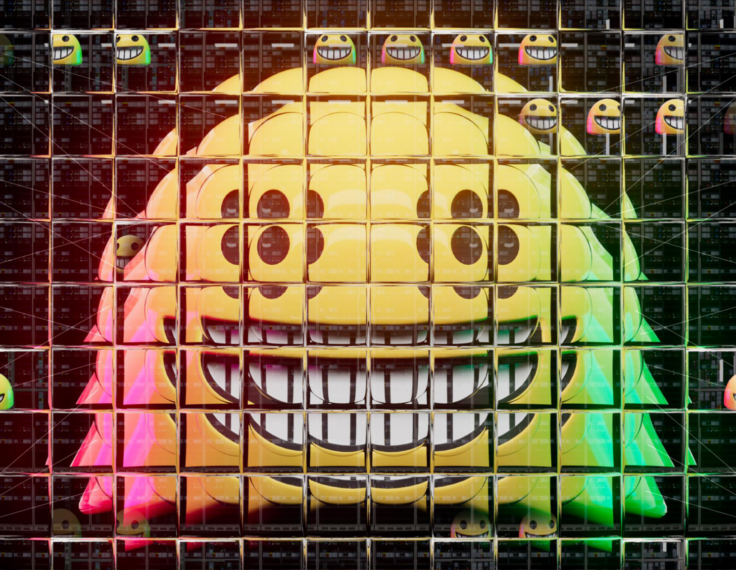
Misinformation reloaded? Fears about the impact of generative AI on misinformation are overblown
Felix M. Simon, Sacha Altay and Hugo Mercier
Many observers of the current explosion of generative AI worry about its impact on our information environment, with concerns being raised about the increased quantity, quality, and personalization of misinformation. We assess these arguments with evidence from communication studies, cognitive science, and political science.

A survey of expert views on misinformation: Definitions, determinants, solutions, and future of the field
Sacha Altay, Manon Berriche, Hendrik Heuer, Johan Farkas and Steven Rathje
We surveyed 150 academic experts on misinformation and identified areas of expert consensus. Experts defined misinformation as false and misleading information, though views diverged on the importance of intentionality and what exactly constitutes misinformation. The most popular reason why people believe and share misinformation was partisanship, while lack of education was one of the least popular reasons.