
Explore All Articles
All Articles
Article Topic
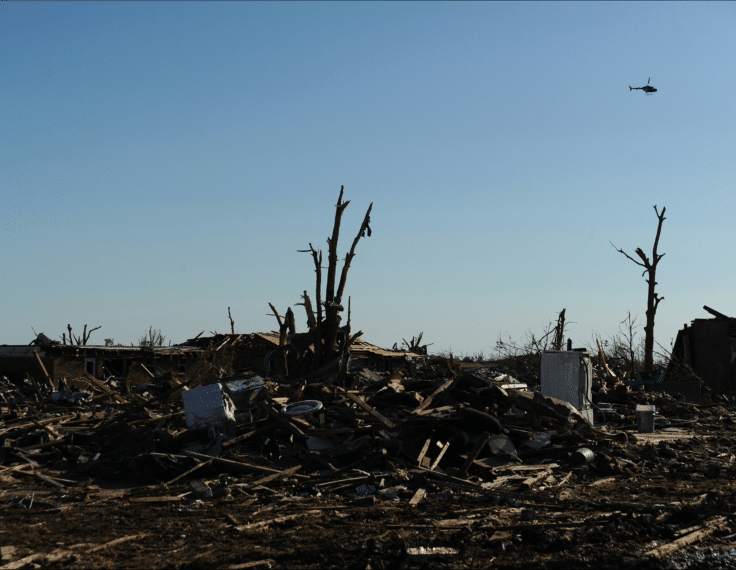
Amplifying the storm: Climate disinformation dynamics during natural disasters on right-wing extremist Telegram channels
Diego DiMattina, André Sobral and David Nemer
Climate change amplifies natural disasters, posing an existential threat to our society. However, a digital storm is raging on right-wing extremist Telegram channels where climate disinformation works to delegitimize scientific consensus. Investigating the factors that amplify climate disinformation is as critical to combating it as understanding natural disasters and their drivers. We

Taking the power back: How diaspora community organizations are fighting misinformation spread on encrypted messaging apps
Joao V. S. Ozawa, Samuel Woolley and Josephine Lukito
We applied a mixed-methods approach with the goal of understanding how Latinx and Asian diaspora communities perceive and experience the spread of misinformation through encrypted messaging apps in the United States. Our study consists of 12 in-depth interviews with leaders of relevant diaspora community organizations and a computer-assisted content analysis of 450,300 messages published on Telegram between July 2020 and December 2021.
Who knowingly shares false political information online?
Shane Littrell, Casey Klofstad, Amanda Diekman, John Funchion, Manohar Murthi, Kamal Premaratne, Michelle Seelig, Daniel Verdear, Stefan Wuchty and Joseph E. Uscinski
Some people share misinformation accidentally, but others do so knowingly. To fully understand the spread of misinformation online, it is important to analyze those who purposely share it. Using a 2022 U.S. survey, we found that 14 percent of respondents reported knowingly sharing misinformation, and that these respondents were more likely to also report support for political violence, a desire to run for office, and warm feelings toward extremists.

Explaining beliefs in electoral misinformation in the 2022 Brazilian election: The role of ideology, political trust, social media, and messaging apps
Patrícia Rossini, Camila Mont’Alverne and Antonis Kalogeropoulos
The 2022 elections in Brazil have demonstrated that disinformation can have violent consequences, particularly when it comes from the top, raising concerns around democratic backsliding. This study leverages a two-wave survey to investigate individual-level predictors of holding electoral misinformation beliefs and the role of trust and information habits during the 2022 Brazilian elections.