

Professional and community-based fact-checking show different strengths, but neither performs strongly across trust, scalability, and impact
Petter Bae Brandtzaeg, Silje Susanne Alvestad, Jonas R. Kunst and Asbjørn Følstad
Fact-checking on social media matters more than ever. When Meta abandoned professional fact checkers in 2025 in favour of crowd-sourced annotations, it bet that community participation could substitute for institutional expertise. Our systematic review of 21 empirical studies of social media fact-checking (2022–2025) suggests the picture is more complicated than it appears.

Experts disagree on how to fight AI disinformation, but agree that health and politics need different solutions
Alexander Loth, Martin Kappes and Marc-Oliver Pahl
When 54 international experts assessed AI-generated disinformation threats, they revealed a surprising pattern: while video deepfakes received the highest average threat ratings in the political domain (M = 6.31/7), the pattern differed in the health domain, where AI-generated text received the highest average rating (M = 5.80).
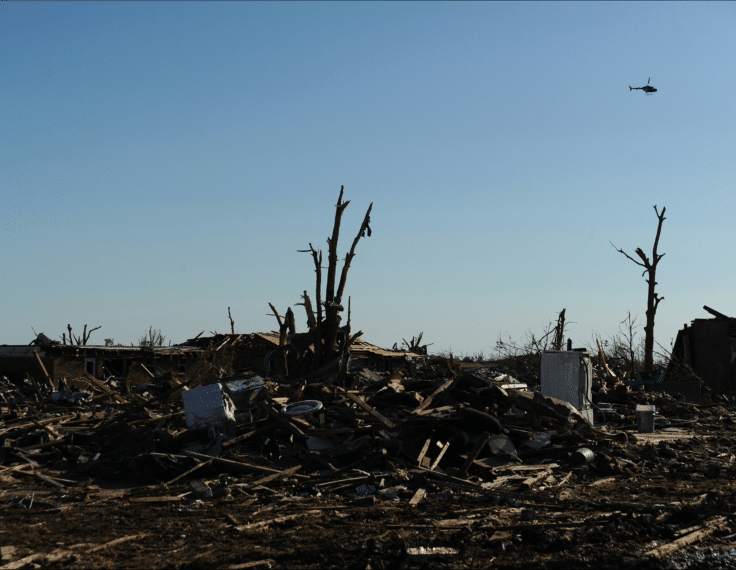
Amplifying the storm: Climate disinformation dynamics during natural disasters on right-wing extremist Telegram channels
Diego DiMattina, André Sobral and David Nemer
Climate change amplifies natural disasters, posing an existential threat to our society. However, a digital storm is raging on right-wing extremist Telegram channels where climate disinformation works to delegitimize scientific consensus. Investigating the factors that amplify climate disinformation is as critical to combating it as understanding natural disasters and their drivers. We