
Explore All Articles
All Articles
Article Topic
COVID-19
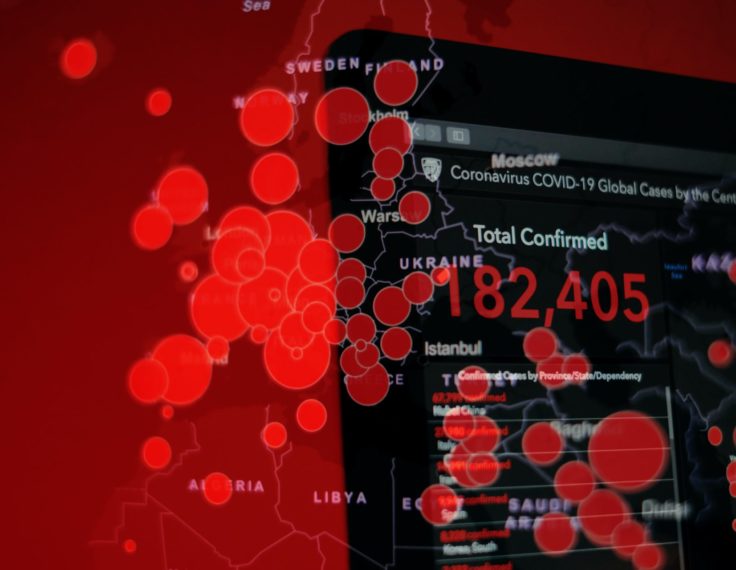
Leveraging volunteer fact checking to identify misinformation about COVID-19 in social media
Hyunuk Kim and Dylan Walker
Identifying emerging health misinformation is a challenge because its manner and type are often unknown. However, many social media users correct misinformation when they encounter it. From this intuition, we implemented a strategy that detects emerging health misinformation by tracking replies that seem to provide accurate information.
Engaging with others: How the IRA coordinated information operation made friends
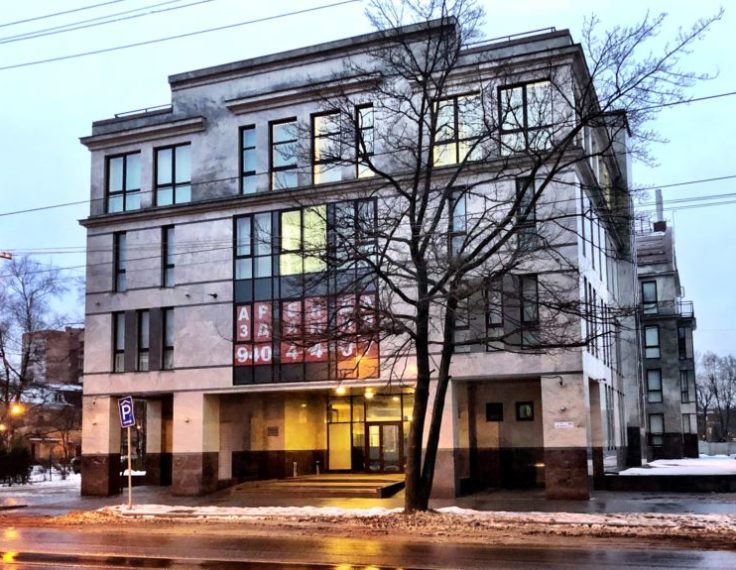
Darren L. Linvill and Patrick L. Warren
We analyzed the Russian Internet Research Agency’s (IRA) 2015–2017 English-language information operation on Twitter to understand the special role that engagement with outsiders (i.e., non-IRA affiliated accounts) played in their campaign. By analyzing the timing and type of engagement of IRA accounts with non-IRA affiliated accounts, and the characteristics of the latter, we identified a three-phases life cycle of such engagement, which was central to how this IRA network operated.
Prebunking interventions based on “inoculation” theory can reduce susceptibility to misinformation across cultures
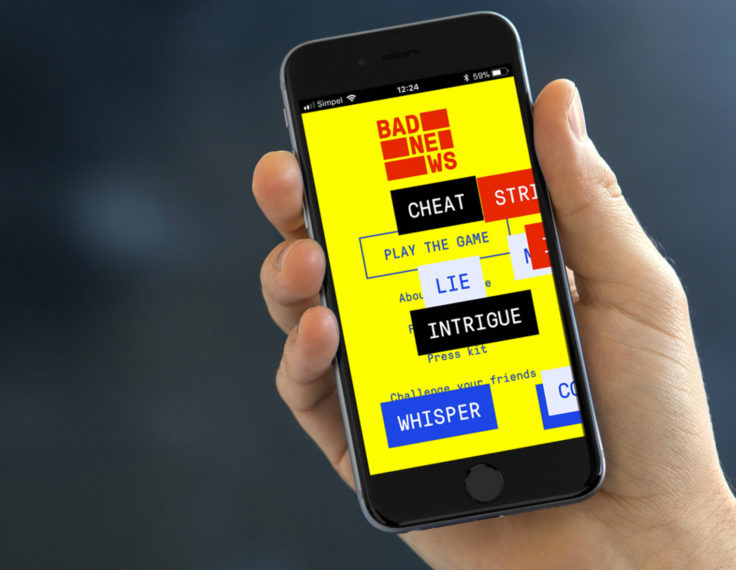
Jon Roozenbeek, Sander van der Linden and Thomas Nygren
This study finds that the online “fake news” game, Bad News, can confer psychological resistance against common online misinformation strategies across different cultures. The intervention draws on the theory of psychological inoculation: Analogous to the process of medical immunization, we find that “prebunking,” or preemptively warning and exposing people to weakened doses of misinformation, can help cultivate “mental antibodies” against fake news.

Cross-platform disinformation campaigns: Lessons learned and next steps
Tom Wilson and Kate Starbird
We conducted a mixed-method, interpretative analysis of an online, cross-platform disinformation campaign targeting the White Helmets, a rescue group operating in rebel-held areas of Syria that have become the subject of a persistent effort of delegitimization. This research helps to conceptualize what a disinformation campaign is and how it works.
Russian Twitter disinformation campaigns reach across the American political spectrum
Deen Freelon and Tetyana Lokot
Evidence from an analysis of Twitter data reveals that Russian social media trolls exploited racial and political identities to infiltrate distinct groups of authentic users, playing on their group identities. The groups affected spanned the ideological spectrum, suggesting the importance of coordinated counter-responses from diverse coalitions of users.