
Explore All Articles
All Articles
Article Topic
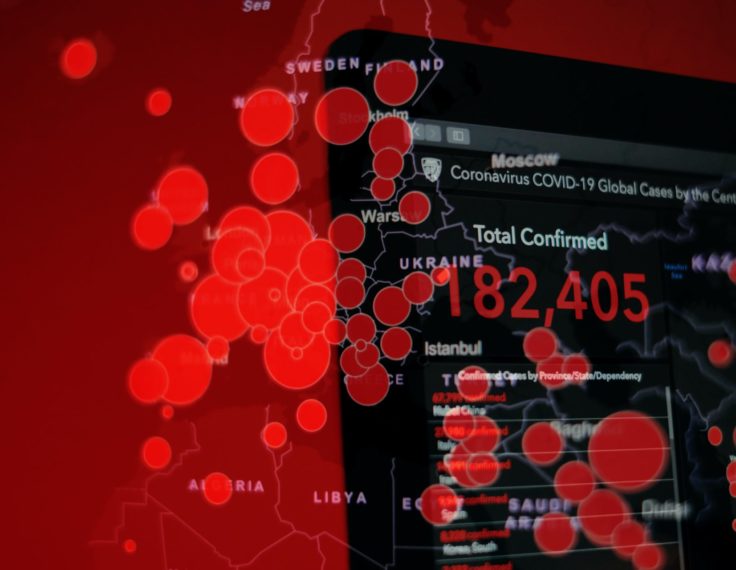
COVID-19
Leveraging volunteer fact checking to identify misinformation about COVID-19 in social media
Hyunuk Kim and Dylan Walker
Identifying emerging health misinformation is a challenge because its manner and type are often unknown. However, many social media users correct misinformation when they encounter it. From this intuition, we implemented a strategy that detects emerging health misinformation by tracking replies that seem to provide accurate information.

COVID-19
Signs of a new world order: Italy as the COVID-19 disinformation battlefield
Costanza Sciubba Caniglia
When Italy became the western center of the COVID-19 outbreak, it also became the focus of a series of states-sponsored coordinated disinformation campaigns. From early March through May 2020, disinformation operations in the country have increased noticeably, showing evidence of evolving strategies from multiple state actors geared towards reshaping the narrative of the global COVID-19 crisis and pushing forward geopolitical interests.
COVID-19
How search engines disseminate information about COVID-19 and why they should do better
Mykola Makhortykh, Aleksandra Urman and Roberto Ulloa
Access to accurate and up-to-date information is essential for individual and collective decision making, especially at times of emergency. On February 26, 2020, two weeks before the World Health Organization (WHO) officially declared the COVID-19’s emergency a “pandemic,” we systematically collected and analyzed search results for the term “coronavirus” in three languages from six search engines. We

COVID-19
The relation between media consumption and misinformation at the outset of the SARS-CoV-2 pandemic in the US
Kathleen Hall Jamieson and Dolores Albarracín
A US national probability-based survey during the early days of the SARS-CoV-2 spread in the US showed that, above and beyond respondents’ political party, mainstream broadcast media use (e.g., NBC News) correlated with accurate information about the disease’s lethality, and mainstream print media use (e.g.,
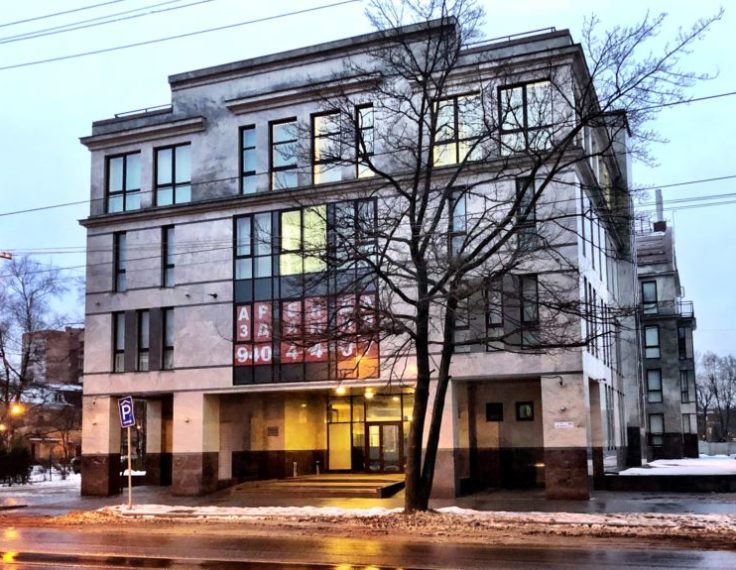
Engaging with others: How the IRA coordinated information operation made friends
Darren L. Linvill and Patrick L. Warren
We analyzed the Russian Internet Research Agency’s (IRA) 2015–2017 English-language information operation on Twitter to understand the special role that engagement with outsiders (i.e., non-IRA affiliated accounts) played in their campaign. By analyzing the timing and type of engagement of IRA accounts with non-IRA affiliated accounts, and the characteristics of the latter, we identified a three-phases life cycle of such engagement, which was central to how this IRA network operated.

Misleading tobacco content is on the rise on YouTube
Daniel Romer, Zachary Reese and Patrick E. Jamieson
A content analysis of popular videos on YouTube containing tobacco-relevant material revealed five categories of misleading content about tobacco use in 2013. A re-examination in 2019 of the most heavily viewed exemplars of these categories identified in 2013 revealed a striking increase in viewership in all categories but especially in the portrayal and promotion of vaping.

Pausing to consider why a headline is true or false can help reduce the sharing of false news
Lisa Fazio
In an online experiment, participants who paused to explain why a headline was true or false indicated that they were less likely to share false information compared to control participants. Their intention to share accurate news stories was unchanged. These results indicate that adding “friction” (i.e.,

Redesigning consent: Big data, bigger risks
Joan Donovan
Over the last decade, the rapid proliferation of social media platforms coupled with the advancement of computational methods for collecting, processing, and analyzing big datasets created new opportunities for social science. But alongside new insights about the behaviors of individuals and groups, these practices raise new questions regarding what constitutes ethical research.
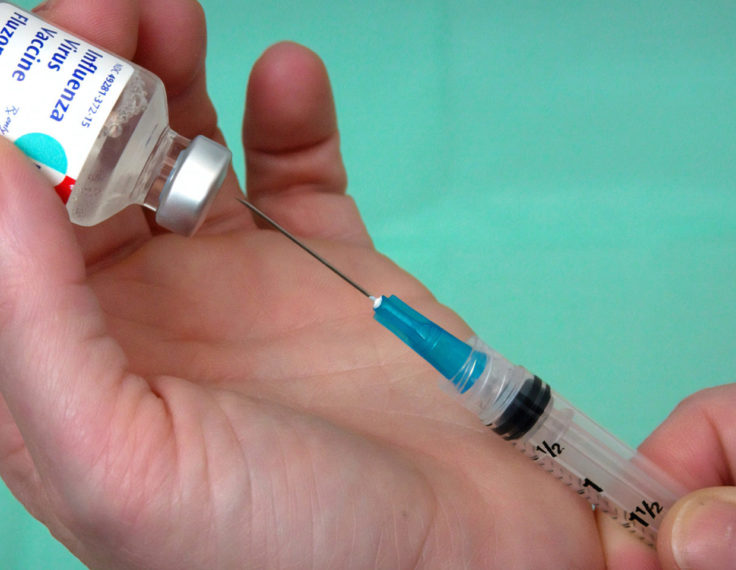
How trust in experts and media use affect acceptance of common anti-vaccination claims
Dominik Andrzej Stecula, Ozan Kuru and Kathleen Hall Jamieson
Surveys of nearly 2,500 Americans, conducted during a measles outbreak, suggest that users of traditional media are less likely to be misinformed about vaccines than social media users. Results also suggest that an individual’s level of trust in medical experts affects the likelihood that a person’s beliefs about vaccination will change.