
Reframing misinformation as informational-systemic risk in the age of societal volatility
Nuurrianti Jalli
When a bank run, a pandemic, or an election spirals out of control, the spark is often informational. In 2023, rumors online helped accelerate the collapse of Silicon Valley Bank. During COVID-19, false claims about vaccines fueled preventable harms by undermining public trust in health guidance, and election lies in the United States fed into the broader dynamics that culminated in the January 6 Capitol attack.
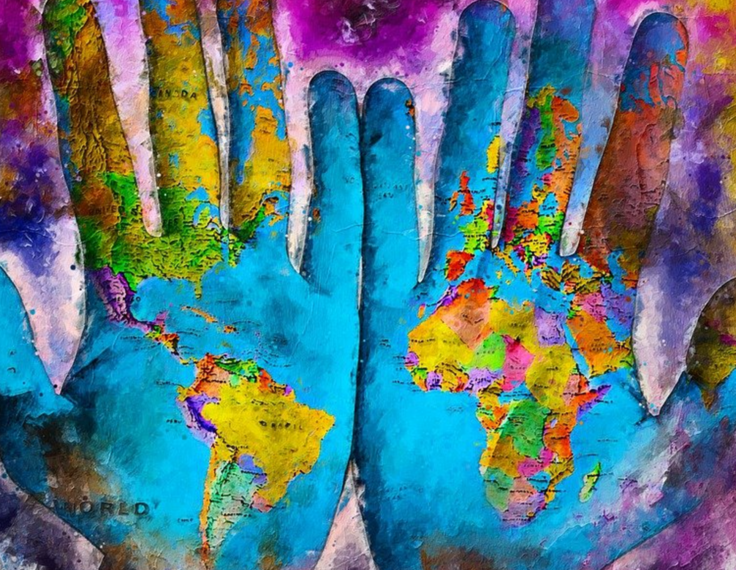
Towards the study of world misinformation
Piero Ronzani
What if nearly everything we think we know about misinformation came from just a sliver of the world? When research leans heavily on online studies from a few wealthy nations, we risk drawing global conclusions from local noise. A WhatsApp group of fishermen, a displaced community in a refugee camp, or a bustling market in the Global South are not marginal examples of information environments; such contexts call for an evolution of how we study misinformation.
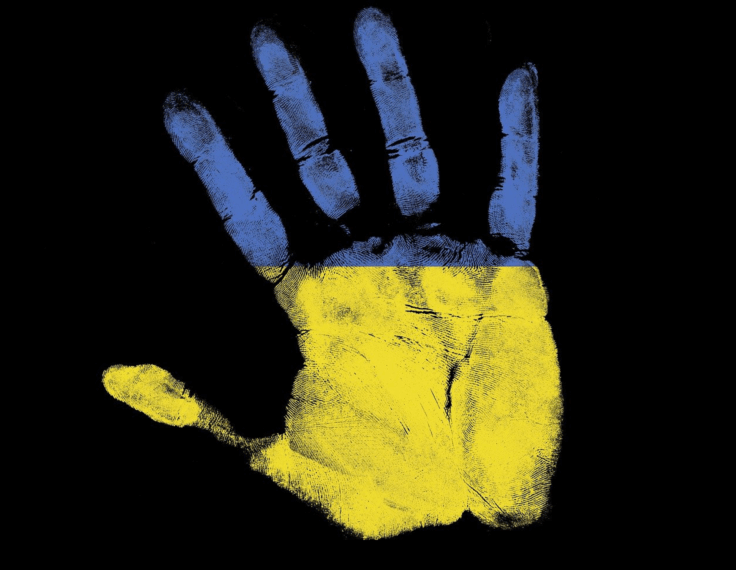
Information control on YouTube during Russia’s invasion of Ukraine
Yevgeniy Golovchenko, Kristina Aleksandrovna Pedersen, Jonas Skjold Raaschou-Pedersen and Anna Rogers
This research note investigates the aftermath of YouTube’s global ban on Russian state-affiliated media channels in the wake of Russia’s full-scale invasion of Ukraine in 2022. Using over 12 million YouTube comments across 40 Russian-language channels, we analyzed the effectiveness of the ban and the shifts in user activity before and after the platform’s intervention.
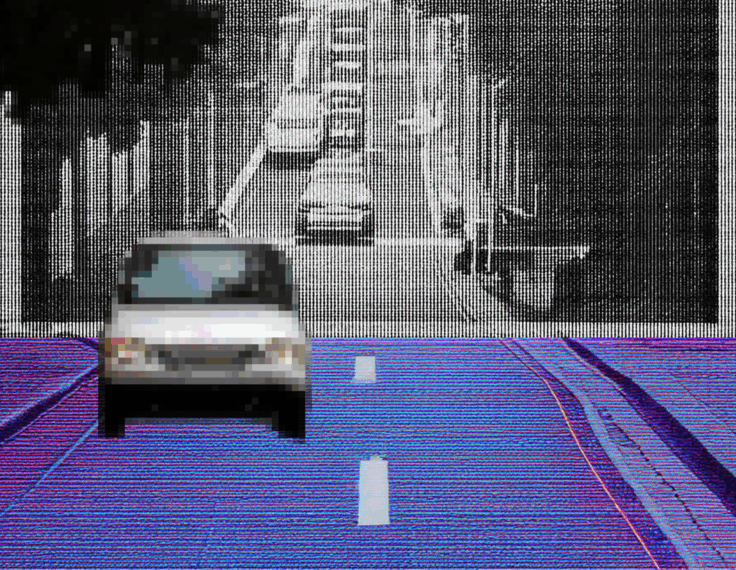
People are more susceptible to misinformation with realistic AI-synthesized images that provide strong evidence to headlines
Sean Guo, Yiwen Zhong and Xiaoqing Hu
The development of artificial intelligence (AI) allows rapid creation of AI-synthesized images. In a pre-registered experiment, we examine how properties of AI-synthesized images influence belief in misinformation and memory for corrections. Realistic and probative (i.e., providing strong evidence) images predicted greater belief in false headlines.