
Explore All Articles
All Articles
Article Topic
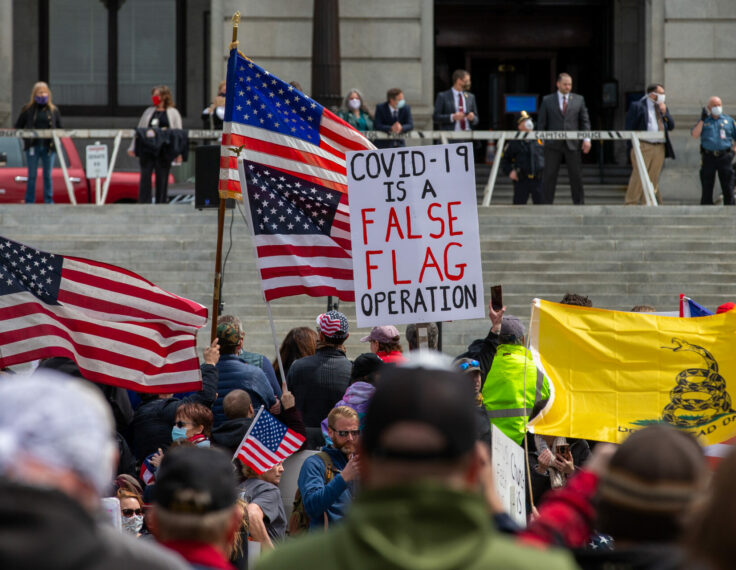
The different forms of COVID-19 misinformation and their consequences
Adam M. Enders, Joseph E. Uscinski, Casey Klofstad and Justin Stoler
As the COVID-19 pandemic progresses, an understanding of the structure and organization of beliefs in pandemic conspiracy theories and misinformation becomes increasingly critical for addressing the threat posed by these dubious ideas. In polling Americans about beliefs in 11 such ideas, we observed clear groupings of beliefs that correspond with different individual-level characteristics (e.g.,

COVID-19
Not just conspiracy theories: Vaccine opponents and proponents add to the COVID-19 ‘infodemic’ on Twitter
Amelia M. Jamison, David A. Broniatowski, Mark Dredze, Anu Sangraula, Michael C. Smith and Sandra C. Quinn
In February 2020, the World Health Organization announced an ‘infodemic’—a deluge of both accurate and inaccurate health information—that accompanied the global pandemic of COVID-19 as a major challenge to effective health communication. We assessed content from the most active vaccine accounts on Twitter to understand how existing online communities contributed to the ‘infodemic’ during the early stages of the pandemic.
COVID-19
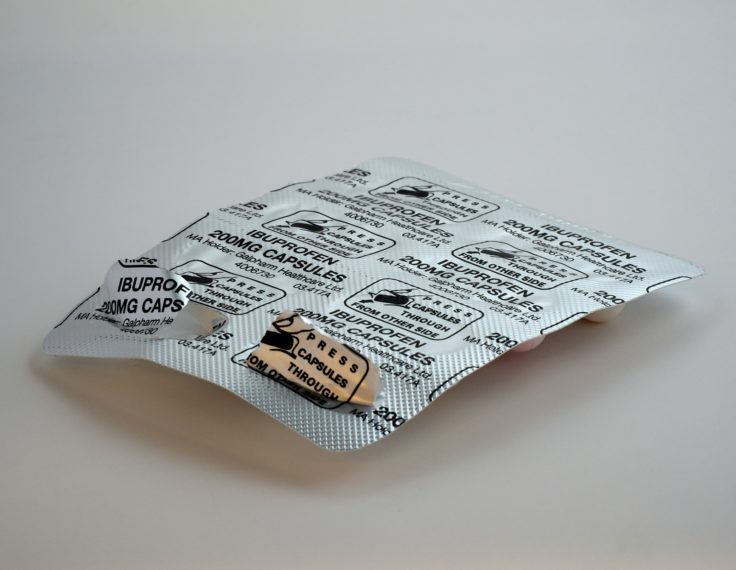
Ibuprofen narratives in five European countries during the COVID-19 pandemic
Sergi Xaudiera and Ana S. Cardenal
We follow the trajectory of the unverified story about the adverse effects of using Ibuprofen for treating the Coronavirus disease 2019 (COVID-19) on Twitter, across five European countries. Our findings suggest that the impact of misinformation1We use the term misinformation to refer to false or inaccurate information that is shared accidentally.

COVID-19
The causes and consequences of COVID-19 misperceptions: Understanding the role of news and social media
Aengus Bridgman, Eric Merkley, Peter John Loewen, Taylor Owen, Derek Ruths, Lisa Teichmann and Oleg Zhilin
We investigate the relationship between media consumption, misinformation, and important attitudes and behaviours during the coronavirus disease 2019 (COVID-19) pandemic. We find that comparatively more misinformation circulates on Twitter, while news media tends to reinforce public health recommendations like social distancing. We find that exposure to social media is associated with misperceptions regarding basic facts about COVID-19 while the inverse is true for news media.
COVID-19
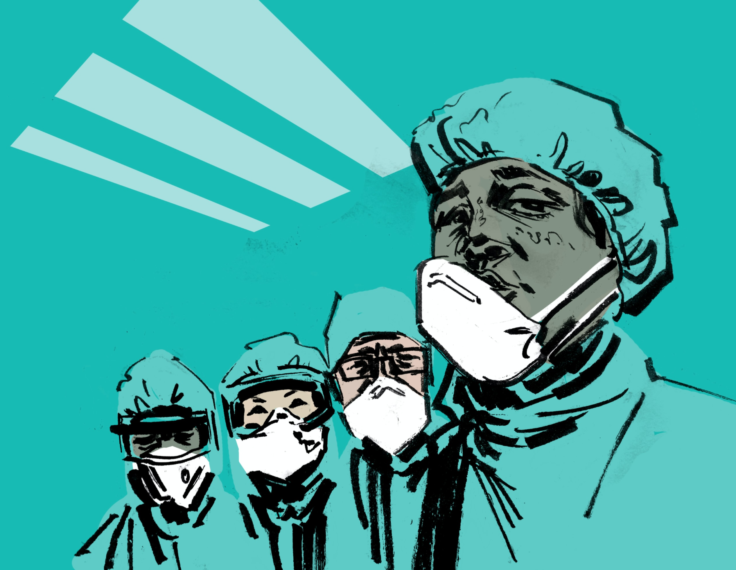
Promoting health literacy during the COVID-19 pandemic: A call to action for healthcare professionals
April Joy Damian and Joseph J. Gallo
The extraordinary spread of misinformation during the COVID-19 pandemic is impressive. And, to public health professionals like us, it’s worrying: We know that good information and good health go hand in hand. Knowing what we do about the practice of public health and what the science tells us about how people fall for misinformation, we see promising strategies for intervention in our own field.

COVID-19
Feeling “disinformed” lowers compliance with COVID-19 guidelines: Evidence from the US, UK, Netherlands, and Germany
Michael Hameleers, Toni G. L. A. van der Meer and Anna Brosius
This study indicates that, during the first phase of the coronavirus (SARS-CoV-2) pandemic in 2020, citizens from the US, UK, Netherlands, and Germany experienced relatively high levels of mis- and disinformation in their general information environment. We asked respondents to indicate the extent to which they experienced that information on coronavirus (SARS-CoV-2 and the disease it causes, COVID-19) was simply inaccurate (misinformation) or intentionally misleading (disinformation).

COVID-19
Blame is in the eye of the beholder: Beyond an ethics of hubris and shame in the time of COVID-19
Annalisa Pelizza
As misinformation and disinformation spread more rapidly and widely than ever before, individuals have been encouraged to be critical consumers of all received information. At the heart of this point of contention is the question of where responsibility and fault should lie.
COVID-19
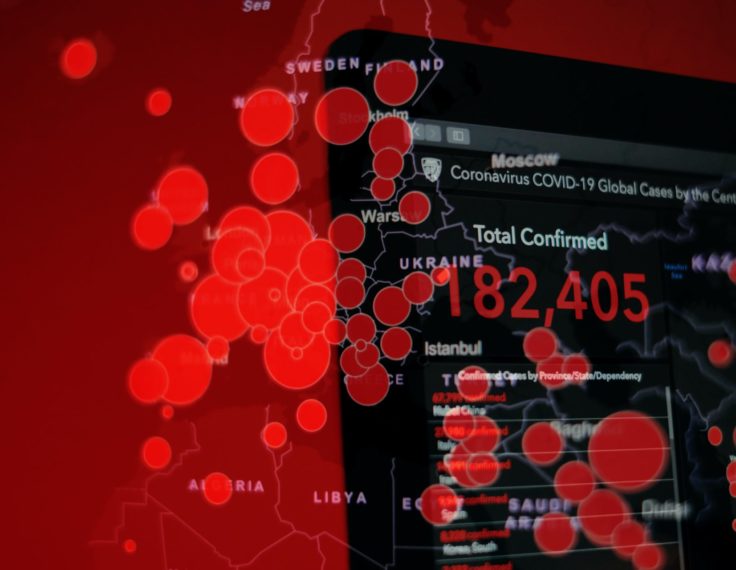
Leveraging volunteer fact checking to identify misinformation about COVID-19 in social media
Hyunuk Kim and Dylan Walker
Identifying emerging health misinformation is a challenge because its manner and type are often unknown. However, many social media users correct misinformation when they encounter it. From this intuition, we implemented a strategy that detects emerging health misinformation by tracking replies that seem to provide accurate information.
COVID-19
A dangerous misinfodemic spreads alongside the SARS-COV-2 pandemic
Meghan McGinty and Nat Gyenes
Special Issue on COVID-19 & Misinfodemics, Guest-Editors’ Editorial.
By Meghan McGintyNat Gyenes Image by Brian McGowan on UNSPLASHOn January 7th, 2020, Chinese authorities identified a new type of coronavirus, which was subsequently named severe acute respiratory syndrome coronavirus 2 (SARS-CoV-2).1https://www.who.int/docs/default-source/coronaviruse/situation-reports/20200121-sitrep-1-2019-ncov.pdf?sfvrsn=20a99c10_4