Explore All Articles
All Articles
Article Topic
Propaganda
Overlooking the political economy in the research on propaganda
Aman Abhishek
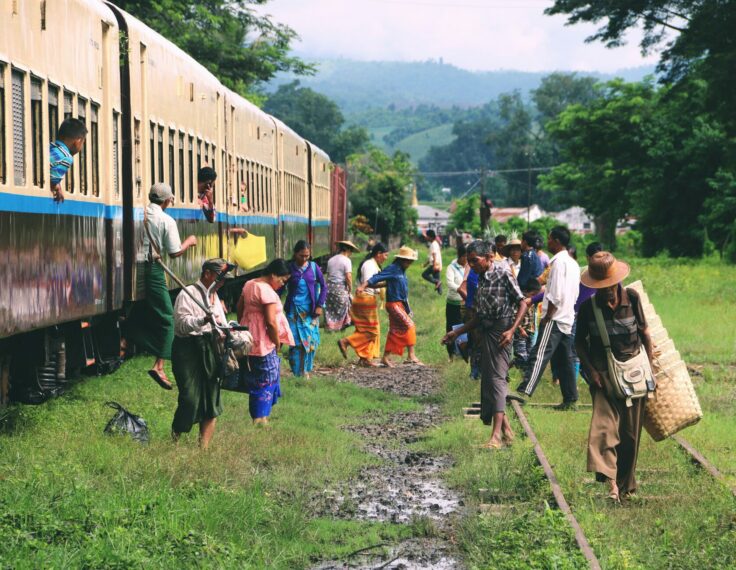
Historically, scholars studying propaganda have focused on its psychological and behavioral impacts on audiences. This tradition has roots in the unique historical trajectory of the United States through the 20th century. This article argues that this tradition is quite inadequate to tackle propaganda-related issues in the Global South, where a deep understanding of the political economy of propaganda and misinformation is urgently needed.

Elections
COVID-19 disinformation and political engagement among communities of color: The role of media literacy
Erica Weintraub Austin, Porismita Borah and Shawn Domgaard
Communities of color, suffering equity gaps and disproportionate COVID-19 effects, also must resist ongoing disinformation campaigns designed to impede their political influence. A representative, national survey (N=1264) of adults conducted June-July 2020 found that nonwhite respondents tended to report less COVID-19 knowledge, media literacy, and voting intent than white respondents, but more acceptance of COVID-19 disinformation and for risks associated with protesting for social justice.

Lateral reading: College students learn to critically evaluate internet sources in an online course
Joel Breakstone, Mark Smith, Priscilla Connors, Teresa Ortega, Darby Kerr and Sam Wineburg
The COVID-19 pandemic has forced college students to spend more time online. Yet many studies show that college students struggle to discern fact from fiction on the Internet. A small body of research suggests that students in face-to-face settings can improve at judging the credibility of online sources.
Exposure to social engagement metrics increases vulnerability to misinformation
Mihai Avram, Nicholas Micallef, Sameer Patil and Filippo Menczer
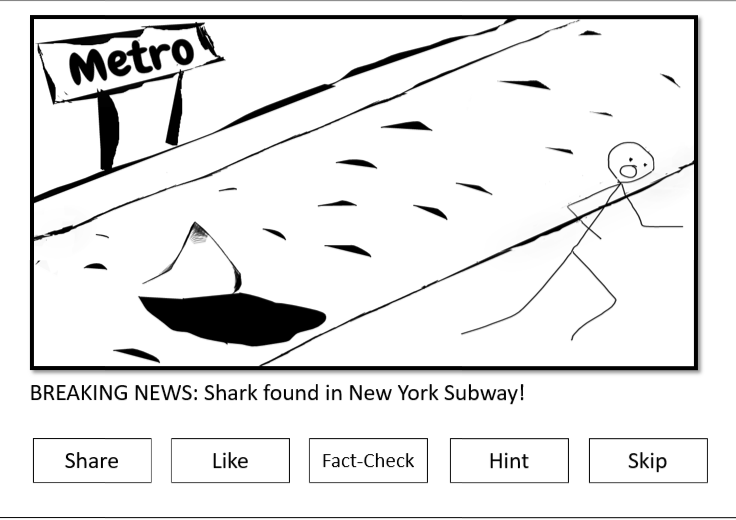
News feeds in virtually all social media platforms include engagement metrics, such as the number of times each post is liked and shared. We find that exposure to these signals increases the vulnerability of users to low-credibility information in a simulated social media feed.
COVID-19
Ibuprofen narratives in five European countries during the COVID-19 pandemic
Sergi Xaudiera and Ana S. Cardenal
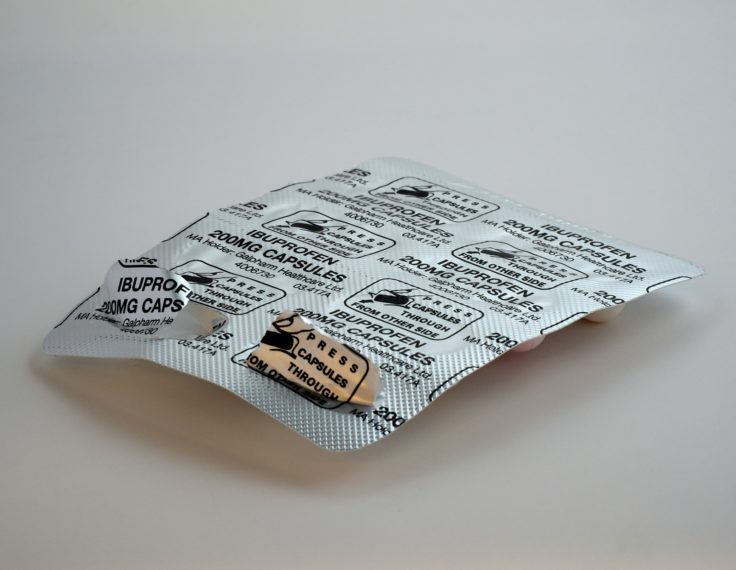
We follow the trajectory of the unverified story about the adverse effects of using Ibuprofen for treating the Coronavirus disease 2019 (COVID-19) on Twitter, across five European countries. Our findings suggest that the impact of misinformation1We use the term misinformation to refer to false or inaccurate information that is shared accidentally.

COVID-19
Feeling “disinformed” lowers compliance with COVID-19 guidelines: Evidence from the US, UK, Netherlands, and Germany
Michael Hameleers, Toni G. L. A. van der Meer and Anna Brosius
This study indicates that, during the first phase of the coronavirus (SARS-CoV-2) pandemic in 2020, citizens from the US, UK, Netherlands, and Germany experienced relatively high levels of mis- and disinformation in their general information environment. We asked respondents to indicate the extent to which they experienced that information on coronavirus (SARS-CoV-2 and the disease it causes, COVID-19) was simply inaccurate (misinformation) or intentionally misleading (disinformation).