
Explore All Articles
All Articles
Article Topic

COVID-19
The relation between media consumption and misinformation at the outset of the SARS-CoV-2 pandemic in the US
Kathleen Hall Jamieson and Dolores Albarracín
A US national probability-based survey during the early days of the SARS-CoV-2 spread in the US showed that, above and beyond respondents’ political party, mainstream broadcast media use (e.g., NBC News) correlated with accurate information about the disease’s lethality, and mainstream print media use (e.g.,
How trust in experts and media use affect acceptance of common anti-vaccination claims
Dominik Andrzej Stecula, Ozan Kuru and Kathleen Hall Jamieson
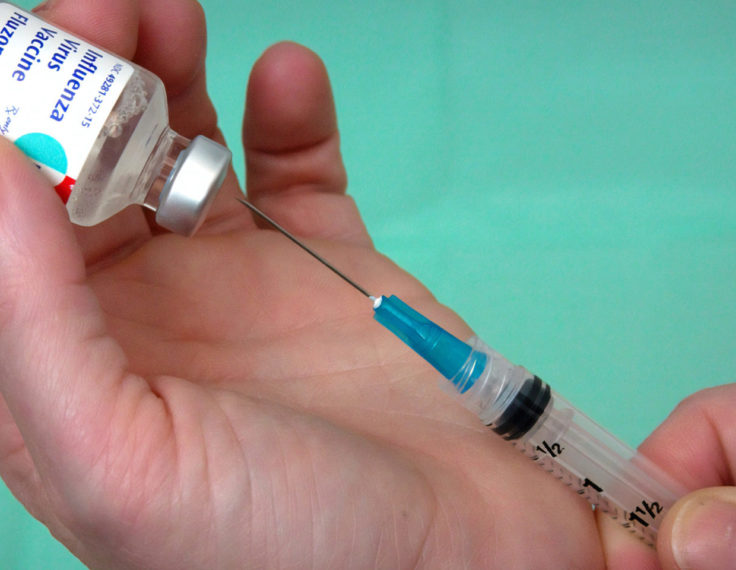
Surveys of nearly 2,500 Americans, conducted during a measles outbreak, suggest that users of traditional media are less likely to be misinformed about vaccines than social media users. Results also suggest that an individual’s level of trust in medical experts affects the likelihood that a person’s beliefs about vaccination will change.

Cross-platform disinformation campaigns: Lessons learned and next steps
Tom Wilson and Kate Starbird
We conducted a mixed-method, interpretative analysis of an online, cross-platform disinformation campaign targeting the White Helmets, a rescue group operating in rebel-held areas of Syria that have become the subject of a persistent effort of delegitimization. This research helps to conceptualize what a disinformation campaign is and how it works.
Volume 1, Issue 1
Irene Pasquetto
Volume 1, Issue 1 Editorial
By Irene PasquettoFor the scope of this publication, we use the term “misinformation” to refer to all kinds of false or inaccurate information, independently from the fact that such information was deliberately created and spread to deceive.